South Korea, bonus round! Our heat avoiding itinerary change meant that we had time to fill before our next stop, Vietnam; that date being fixed by our visa rather than by whim. Sokcho and Seoraksan National Park were on our South Korean wish list, we were only too happy to move them from maybe next time to the yes column.
We’ve not been able to buy tickets for any transportation in South Korea online. No dice without a South Korean credit card. So we go old school: haul ourselves to the station, wait in line. New school however is talking into Google translate so we’re understood. We’re finding very few English speakers here, and it goes without saying that we don’t speak Korean. I can count on one hand the number of times I’ve heard English in the streets. Not to mention that the westerners we’ve seen have largely been French or German.
Sokcho is just a couple of hours from Seoul. It started as a fishing village and became a major port city. Fishing is still a main industry here, but Sokcho is now leaning heavily into tourism.


The floodlit beach

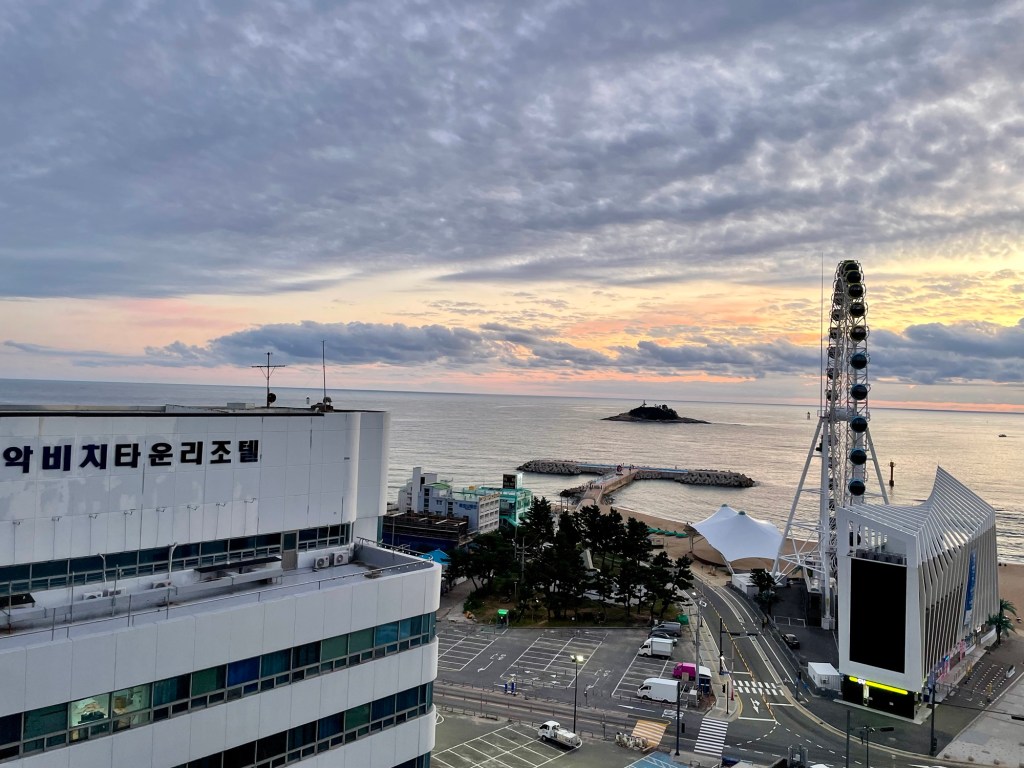
It’s a curious combine of huge hotel skyscrapers and tiny shacks.
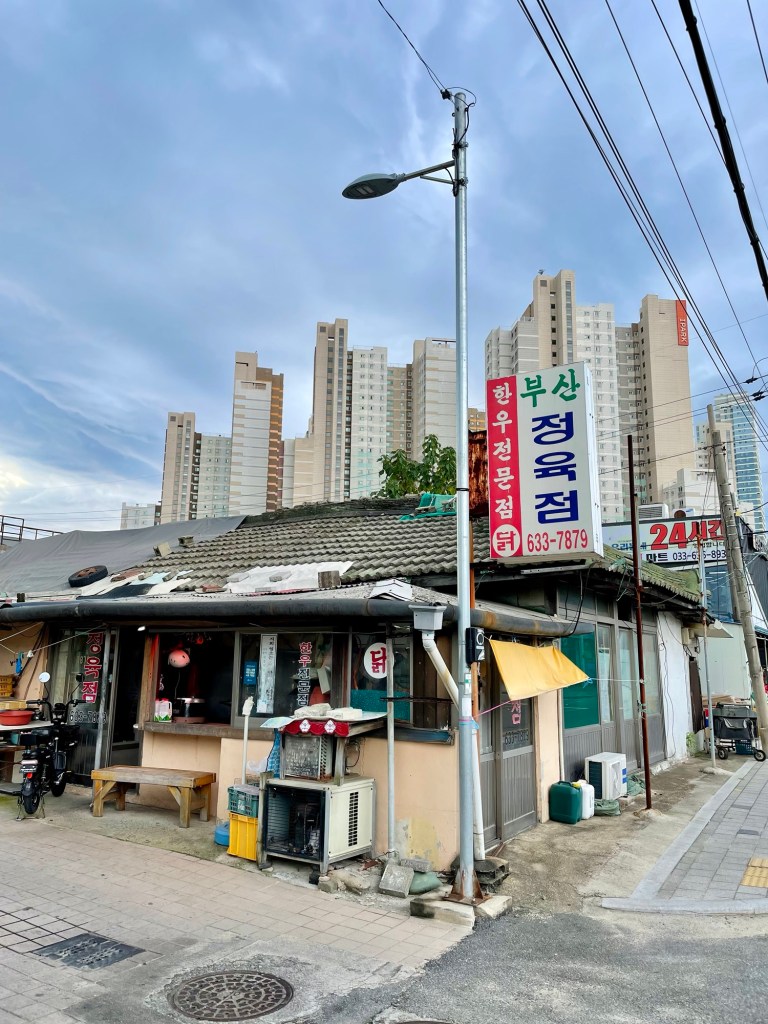
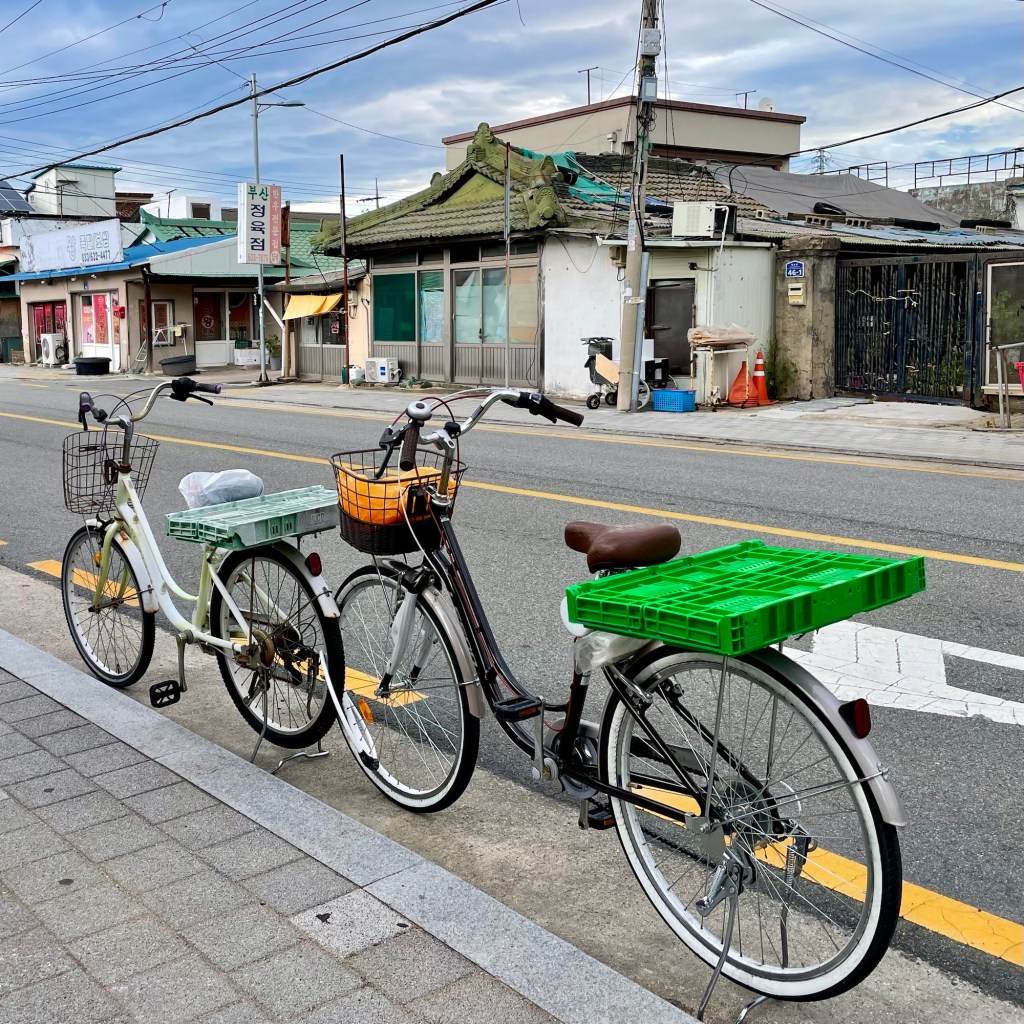
From our high rise hotel we spotted a cluster of low buildings. This little village-in-a-city is a grown up shanty town, a place where Korean War evacuees from the north took refuge and then couldn’t get back home when the country was divided. About 60% of the people living here are descendants of those refugees and many still have family members in North Korea, just a few miles away. There are plenty of monuments to Korea’s history as a colony of Japan and the subsequent civil war. This village is one of the unofficial memorials of what happened and how the division of the country continues to affect people. The war never officially ended, the two Koreas are in a prolonged armistice.


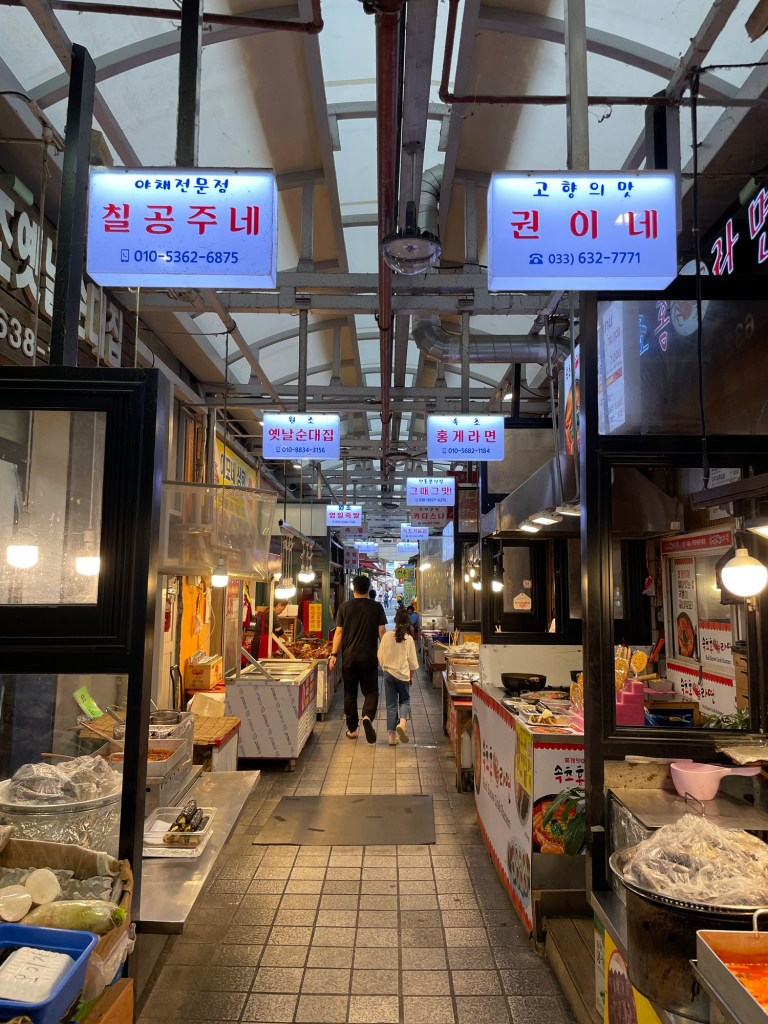
Outside of the fish market

As nice as it is to be by the sea and listen to the waves, we came for mountains! The big draw for us in Sokcho was its proximity to Seoraksan National Park, which was just a city bus ride away from the Sokcho station.
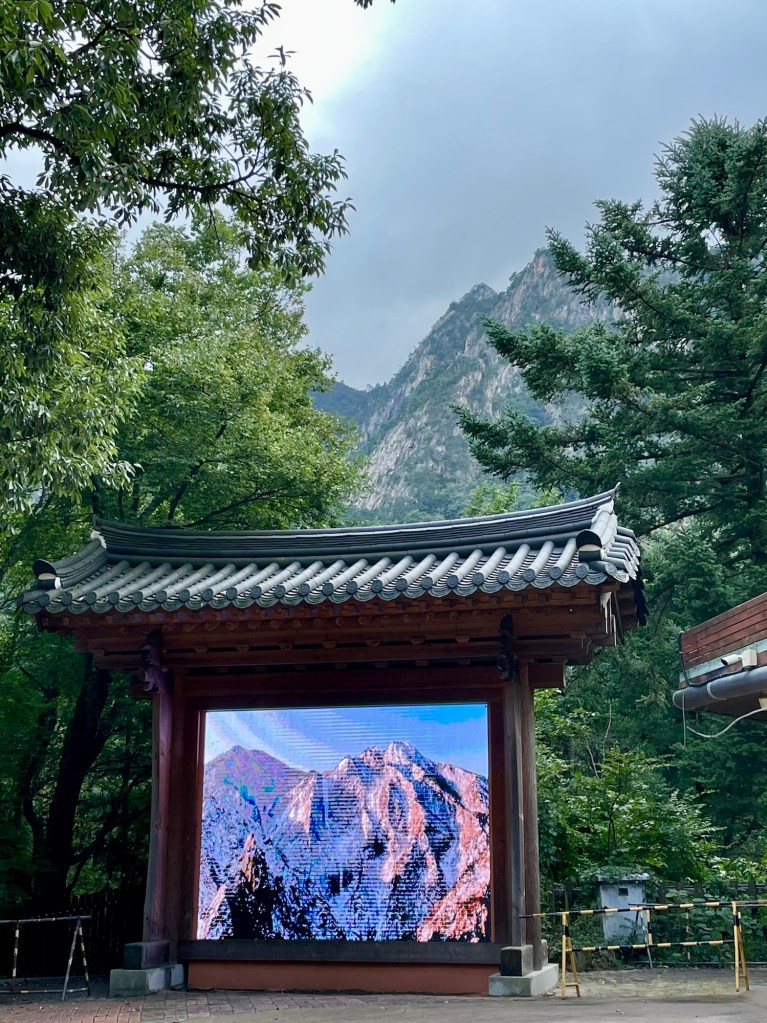
Seoraksan is a UNESCO biosphere protection area and home to the Asian black bear, amongst others fauna.

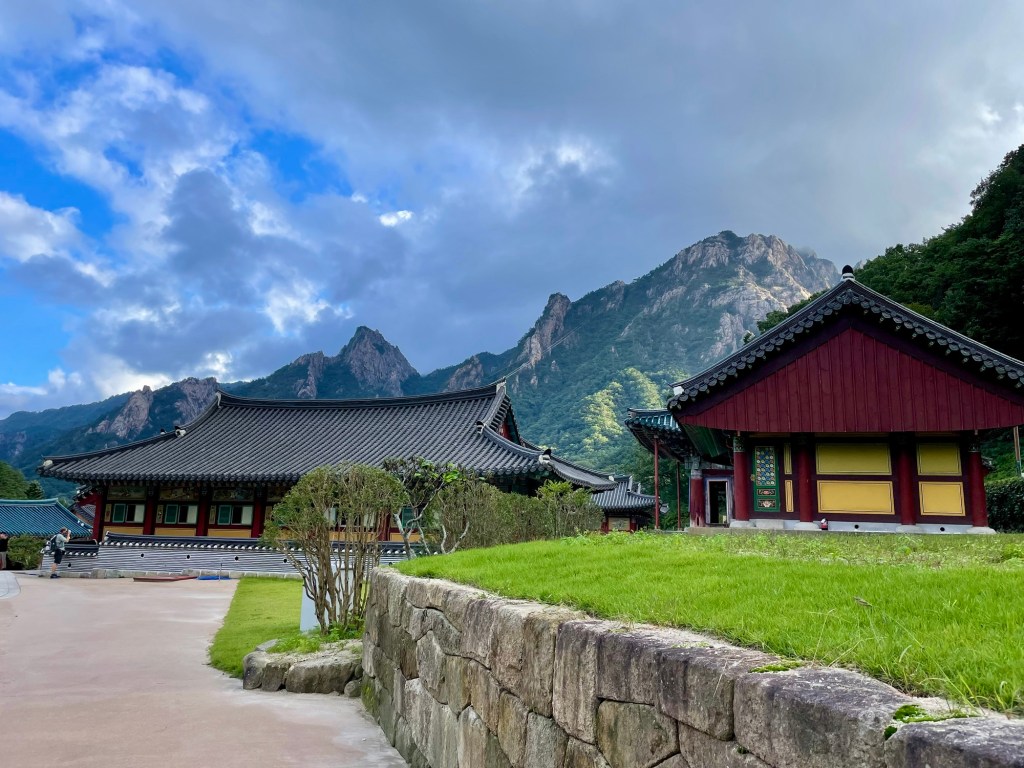
It’s also home to the world’s oldest Zen Buddhist temple.
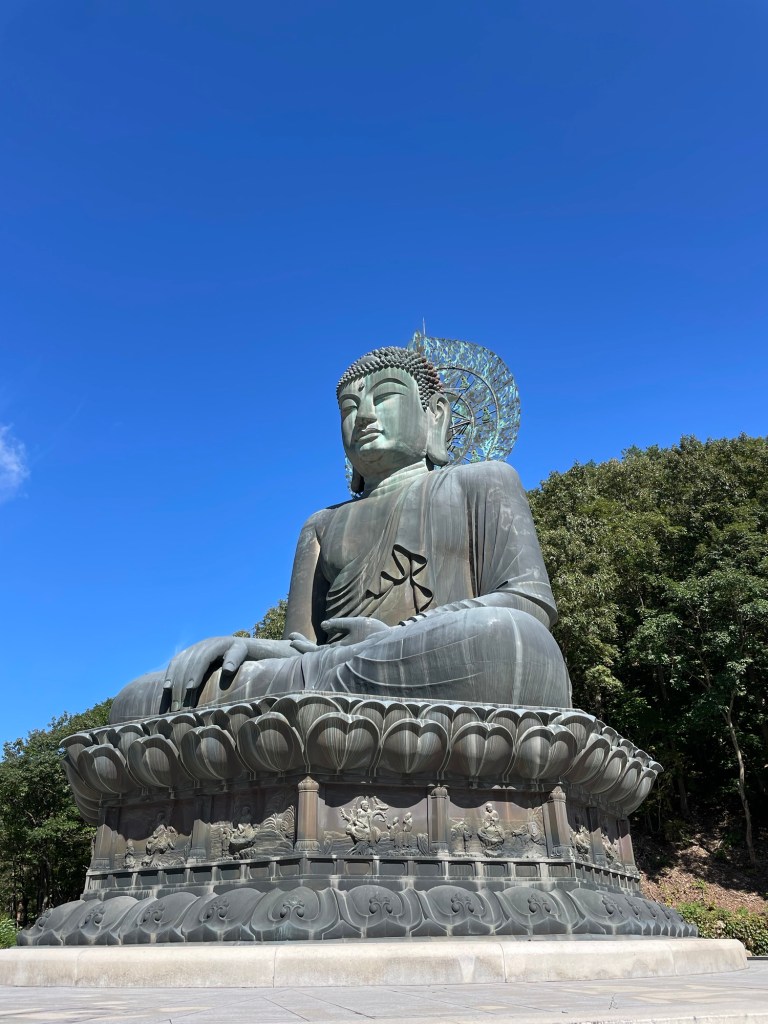
Plus, the world’s tallest outdoor statue of the Buddha.
We did a relatively easy hike of a couple of hours to see a big rock.
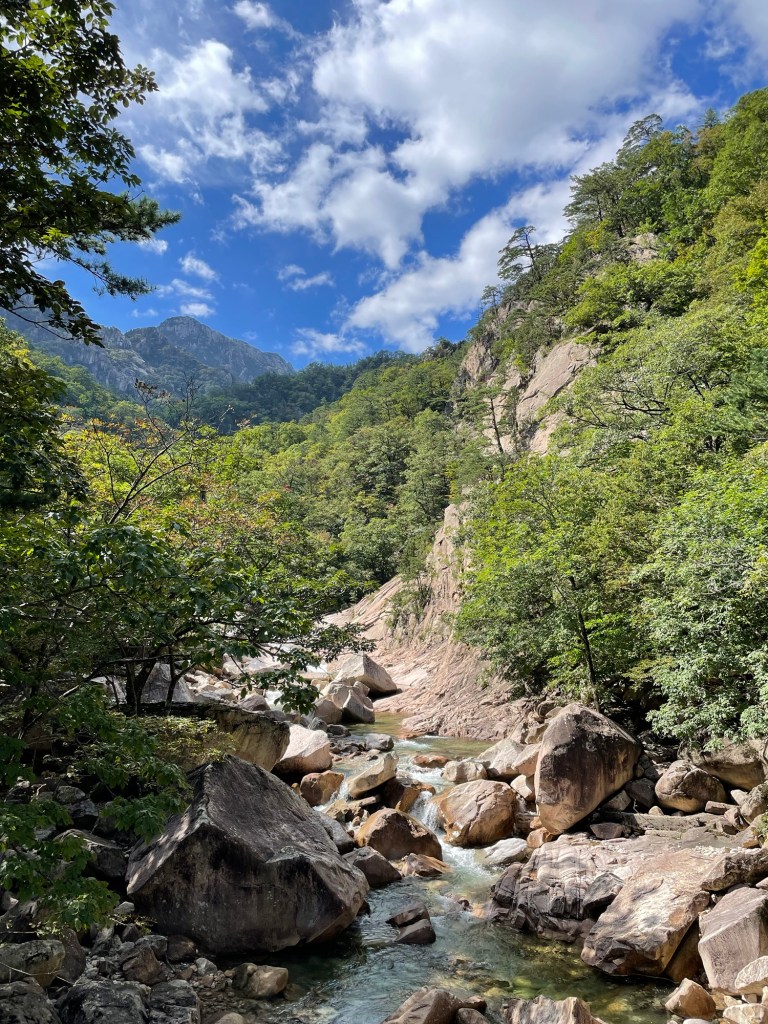
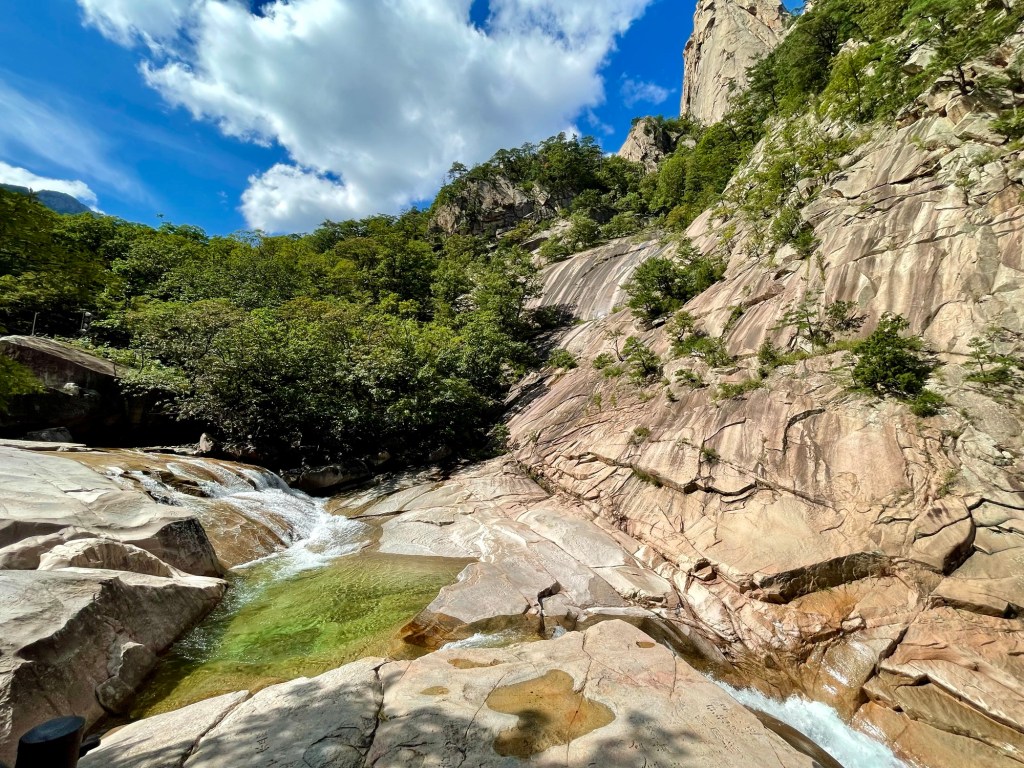
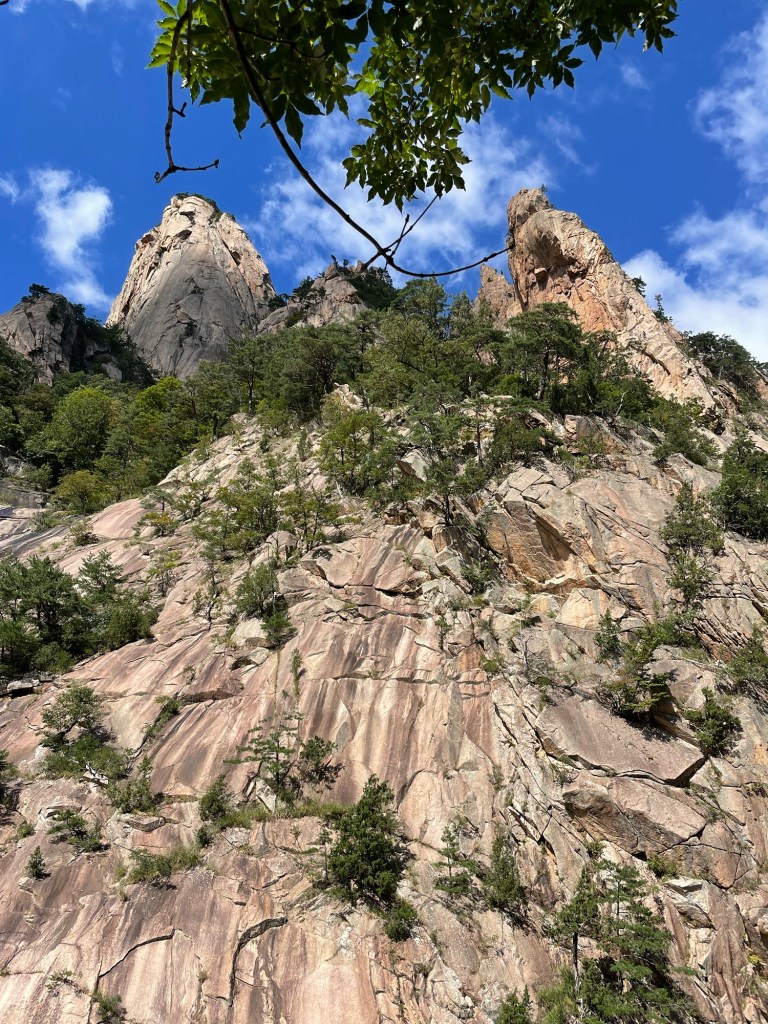
It was a really big rock and worth the effort.
We spent a couple of days in Sokcho plus a couple of days at the park. Now it’s back to the pleasures and madness of a big city. We’ll be in Seoul for a couple of weeks, settling in, slowing down, and gearing up for more.

Cheers!
Maer

 The Let's Get Lost Game
Love the pivot and a perfect place to visit for our Zen 🧘🏽♂️ friends❣️
Awesome pictures shared 🙏
Let us work together to build a world we haven’t yet seen ~ going beyond where we are now within ourselves ~ root into grace, hope and being a good ancestor! #BLM
Live simply, love generously, care deeply and speak kindly. Visualize a society that is amazing, kind and connected.
LikeLike
❤️
LikeLike