The architecture of any long-settled place is the legacy of wars and conquests: who won and who lost; what got spared, what was destroyed, and what took its place. My grasp of the history of this region is sketchy at best. It’s not easy keeping track of when Poland was Poland and when it was not, of the Teutonic knights and the Hanseatic League, not to mention the scarring atrocities of the nazis. I won’t distill it all for you here, that’s what Wikipedia is for!
Gdansk has two major claims to fame from the last century : one horrible, one hopeful. It was the site of the first battle of WWII that the Poles bravely fought and lost, leading to the nazi takeover and the hell that followed. The second is the Solidarity Movement, under the leadership of Lech Walesa which ultimately lead to freeing Poland from communism and the Soviets.
Gdansk wasn’t officially Polish at the start of the WWII due to the Treaty of Versailles. It hadn’t been Polish since 1793. Then it was all but obliterated during the Second World War, with some 90 percent of its buildings destroyed or damaged.
You would know none of this from walking around the town.
At the end of the war, there was discussion about abandoning the ruined city and moving the port. Ultimately they decided on rebuilding , but rather than starting over in the new, international style, or rebuilding the city as it was pre-war, Gdansk decided to rebuild as it had been before it became Prussian. There was a conscious effort to remove any Prussian or German influence in favor of Dutch, French, and Italian.
You could be forgiven for thinking you were in Belgium or the Netherlands.
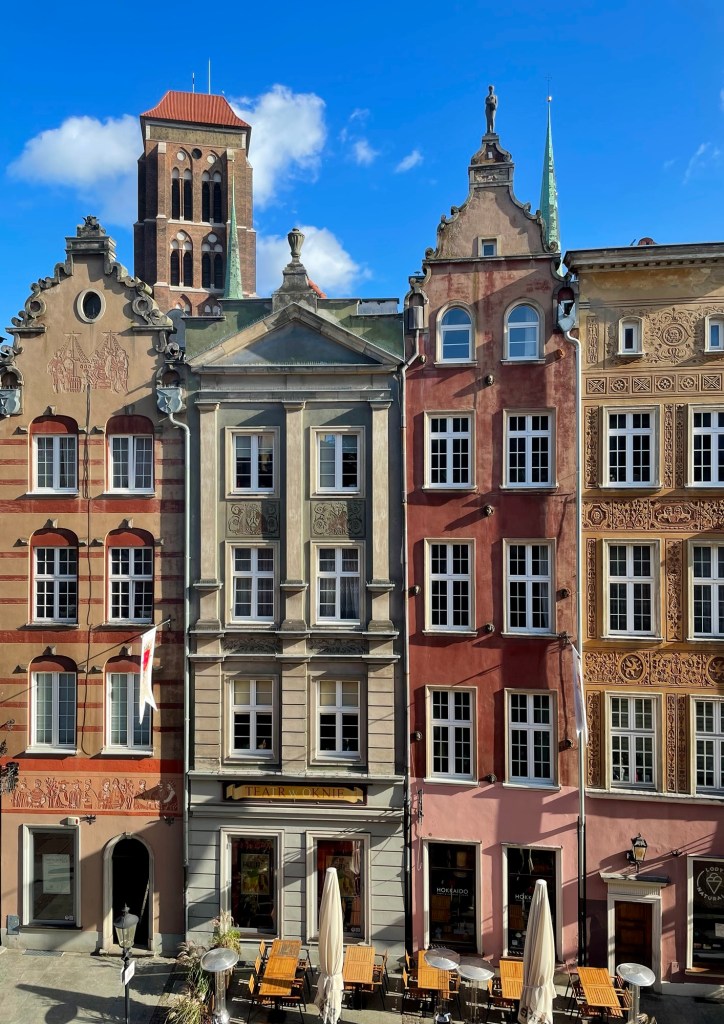
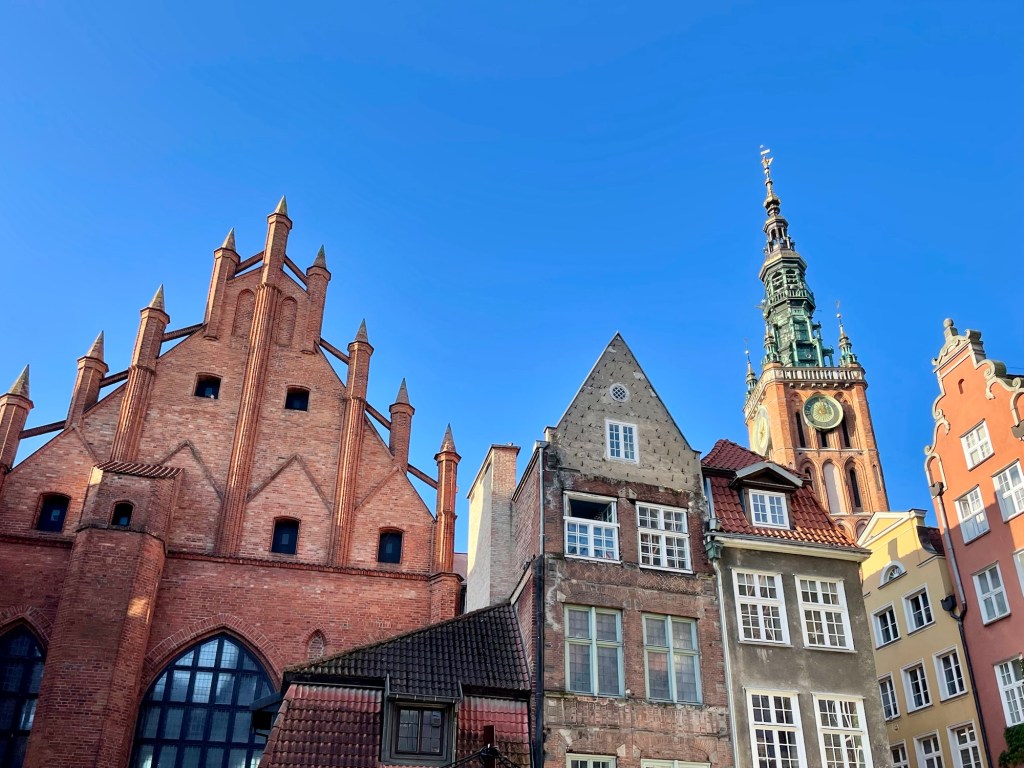
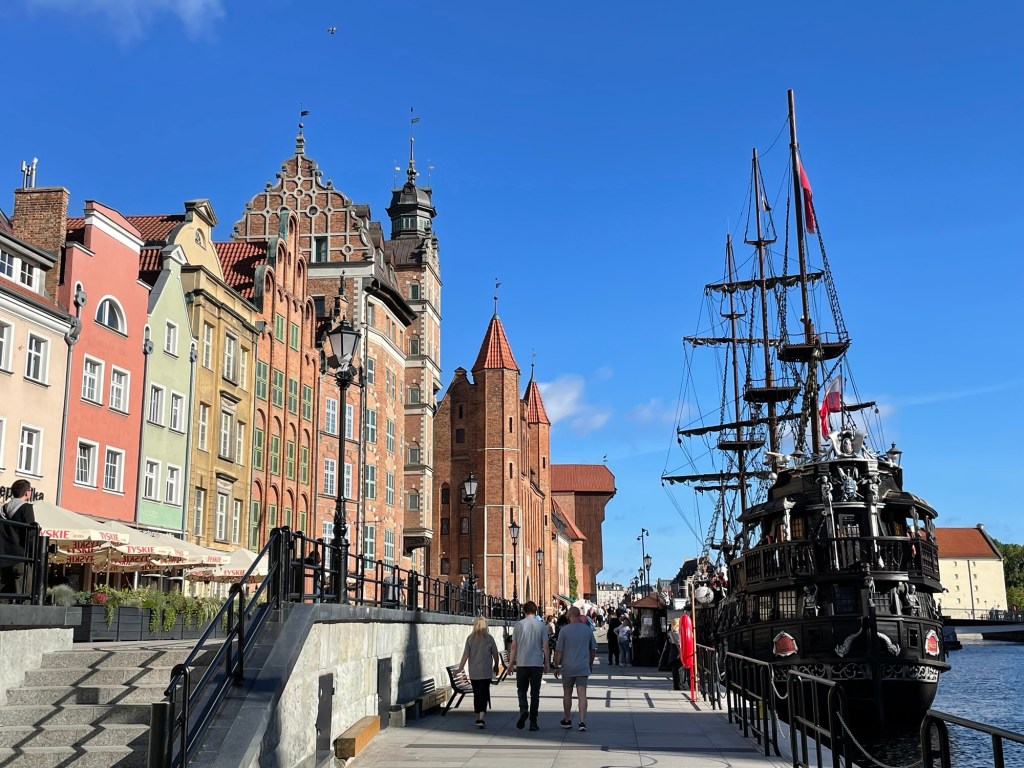
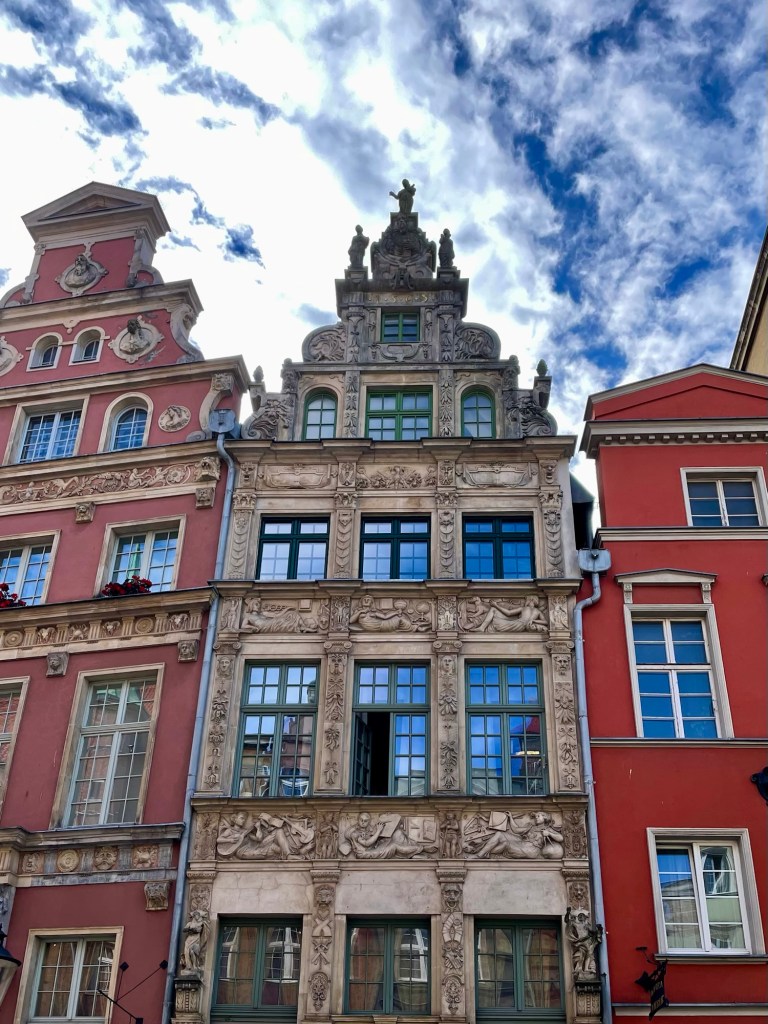
The effect isn’t Disneyfied, but there is something uncanny about it. We played the game, is this real? Is that? What is real anyway?
We took the tourist boat up the river to see Westerplatte, the site of that first, fateful battle. Past the shipyards and heavy industry with its piles of scrap, coal, phosphorus and who knows what else, all of which goes in to making my modern life possible and which I somehow manage never to see,
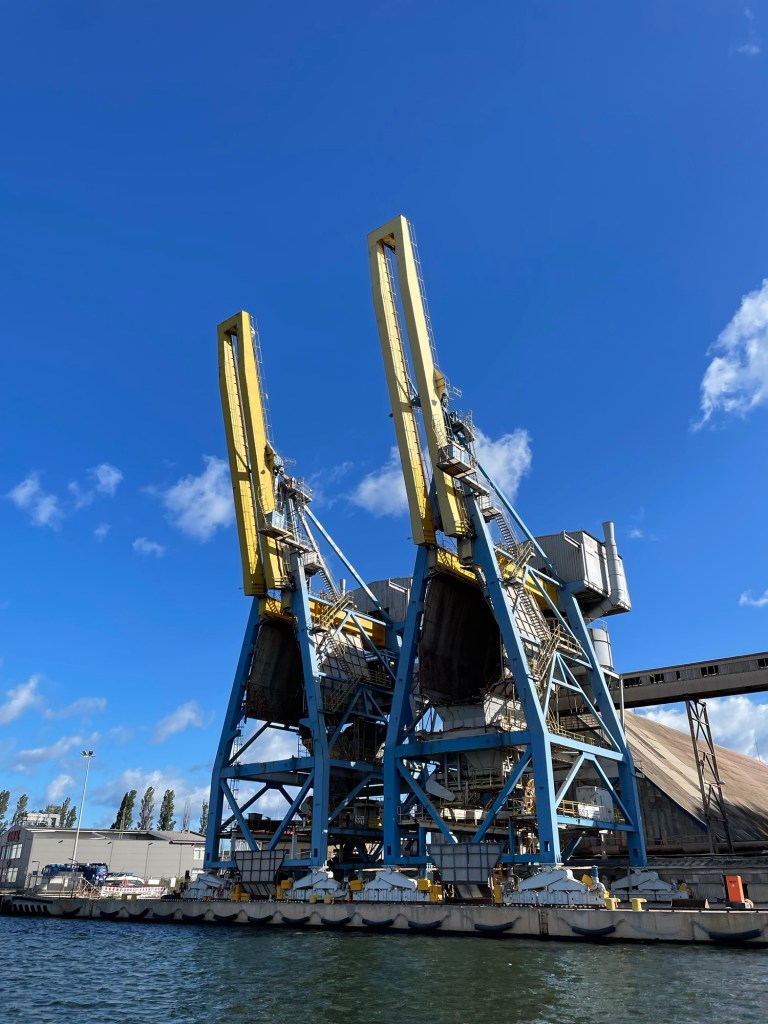
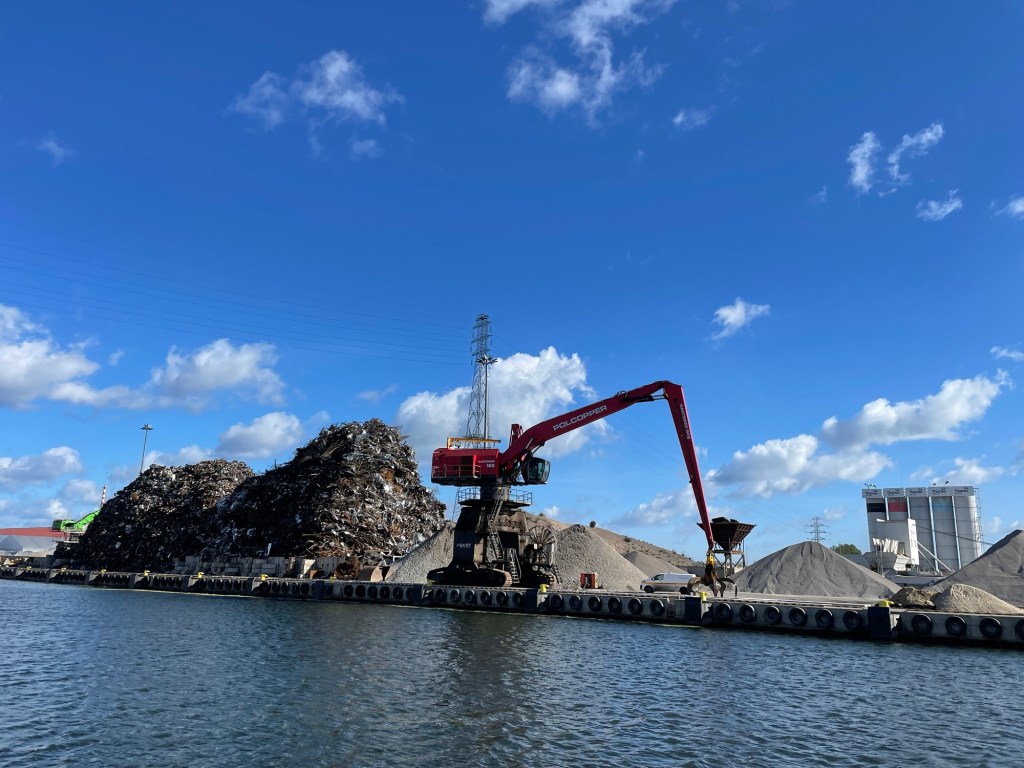
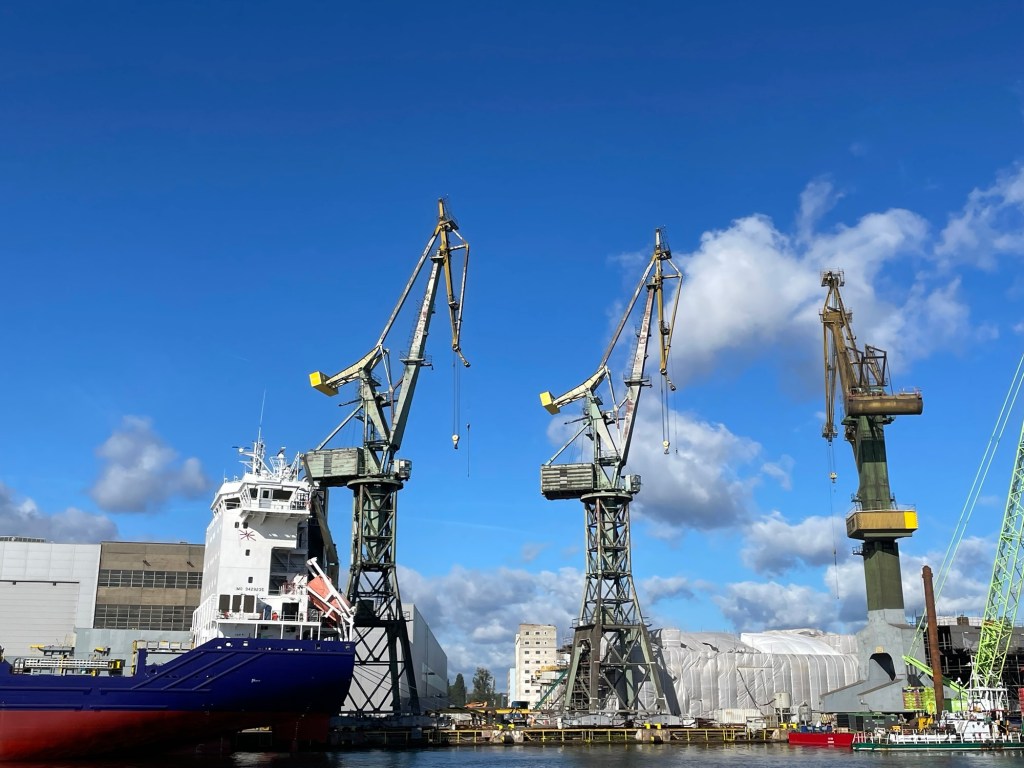
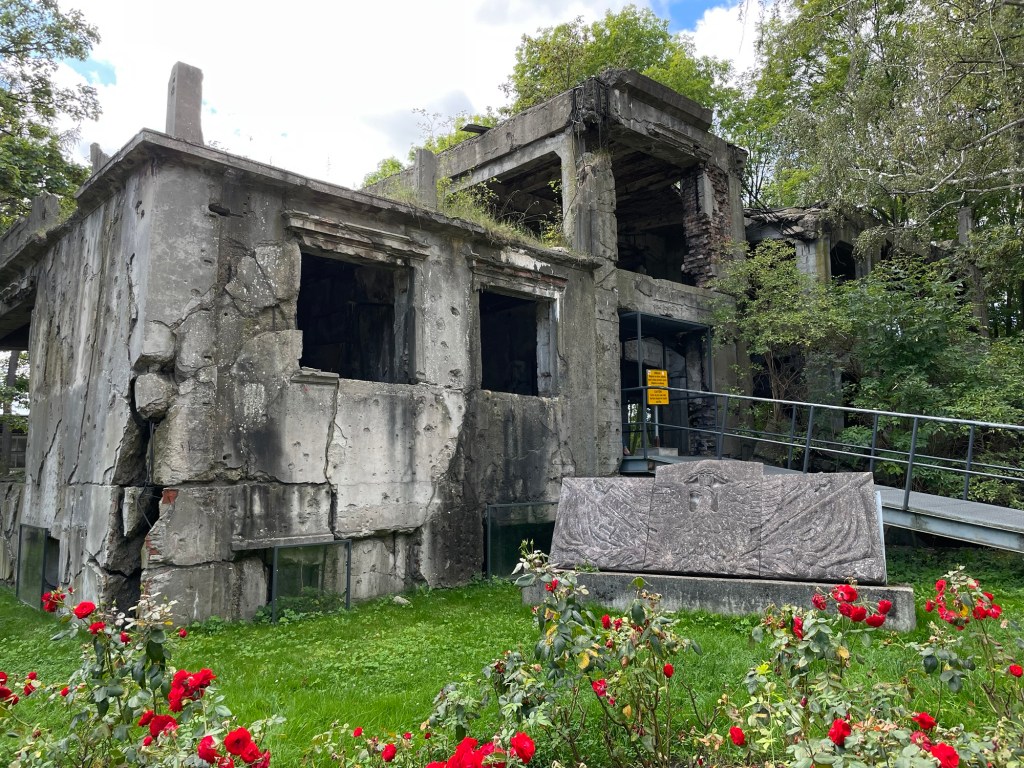
to the battle site and its monument and tourist tat, made all the more poignant by the presence of some sort of army personnel and the ever present news of Russian incursions into Polish and the Baltic country’s airspaces.
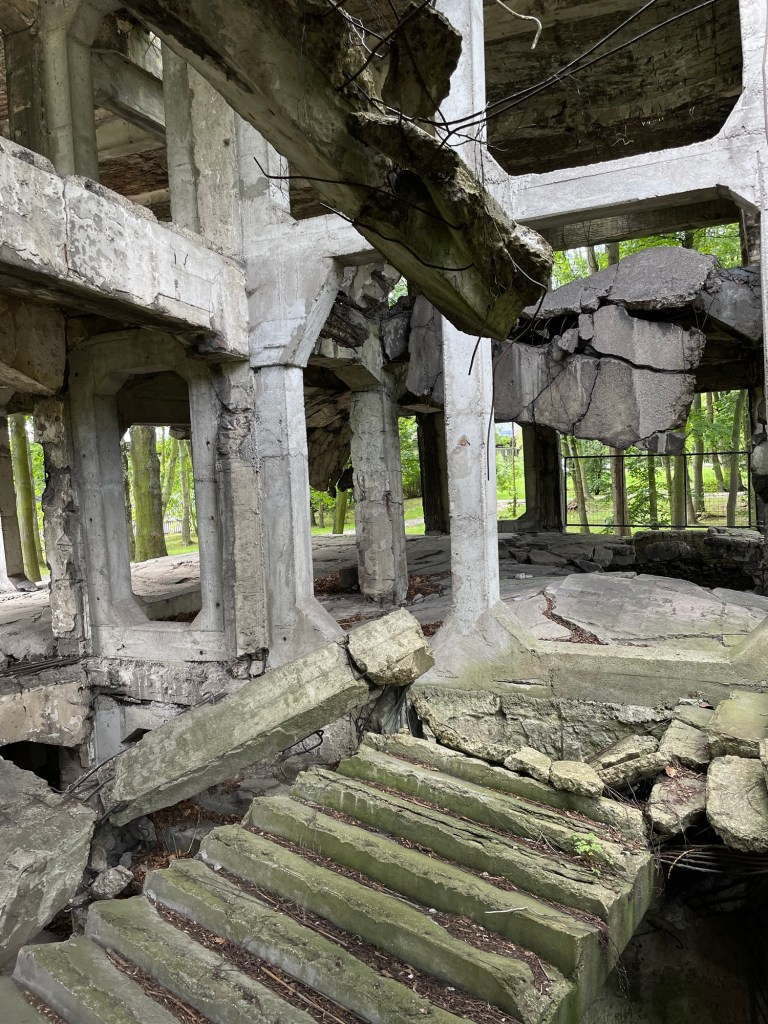
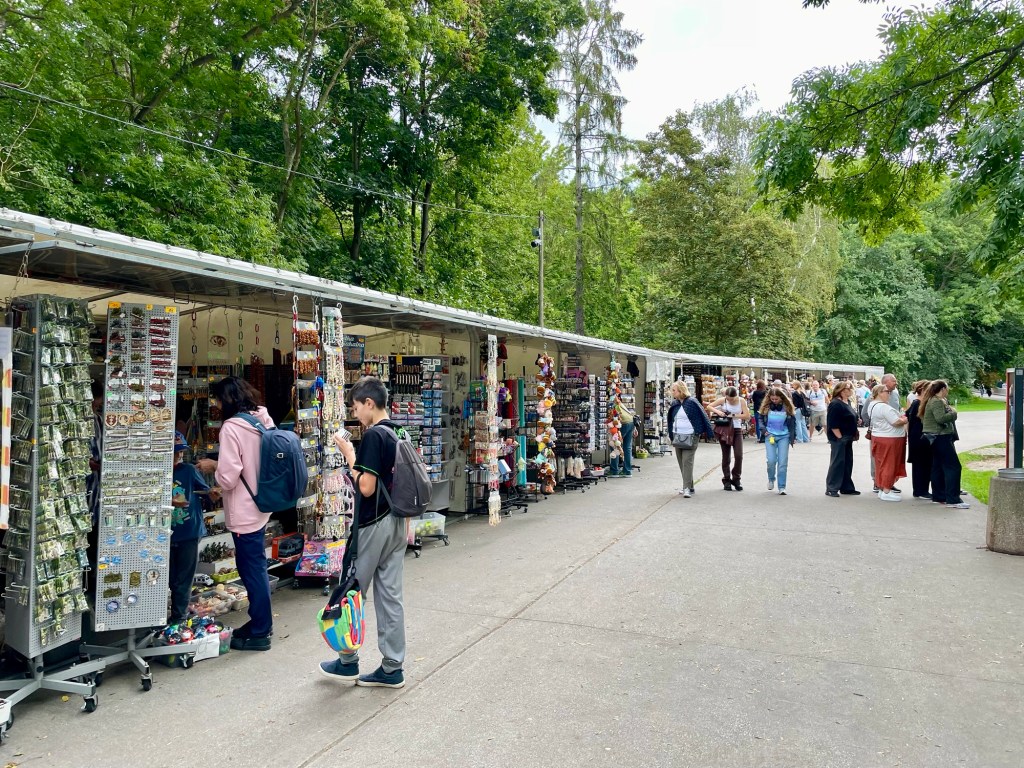
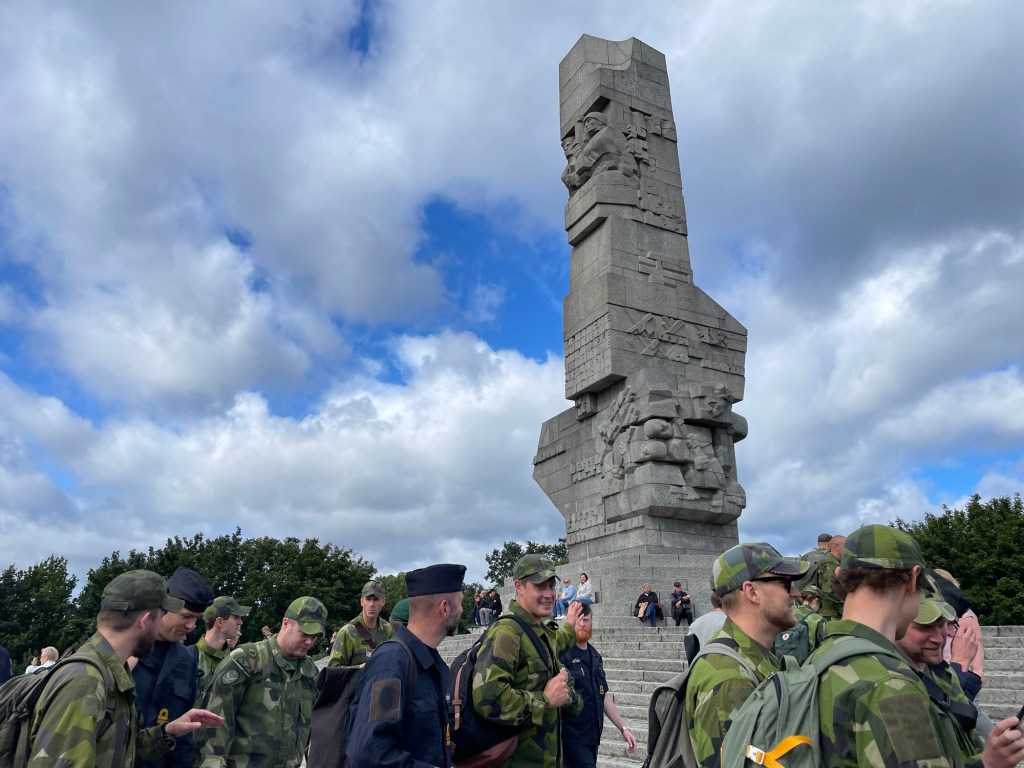
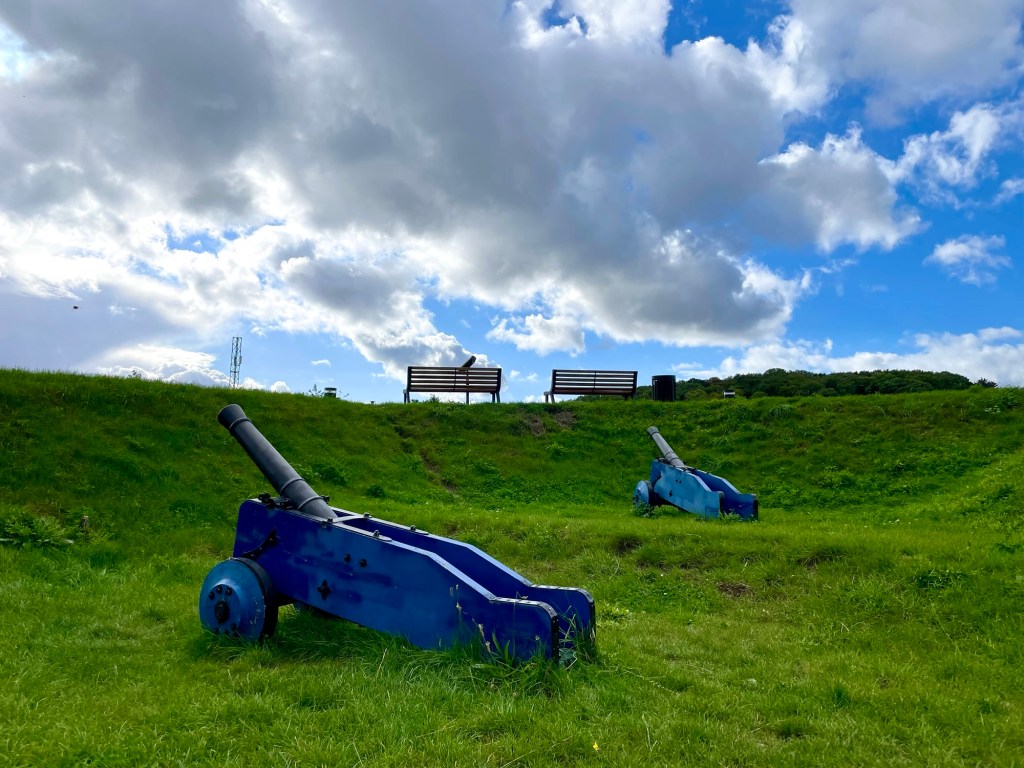
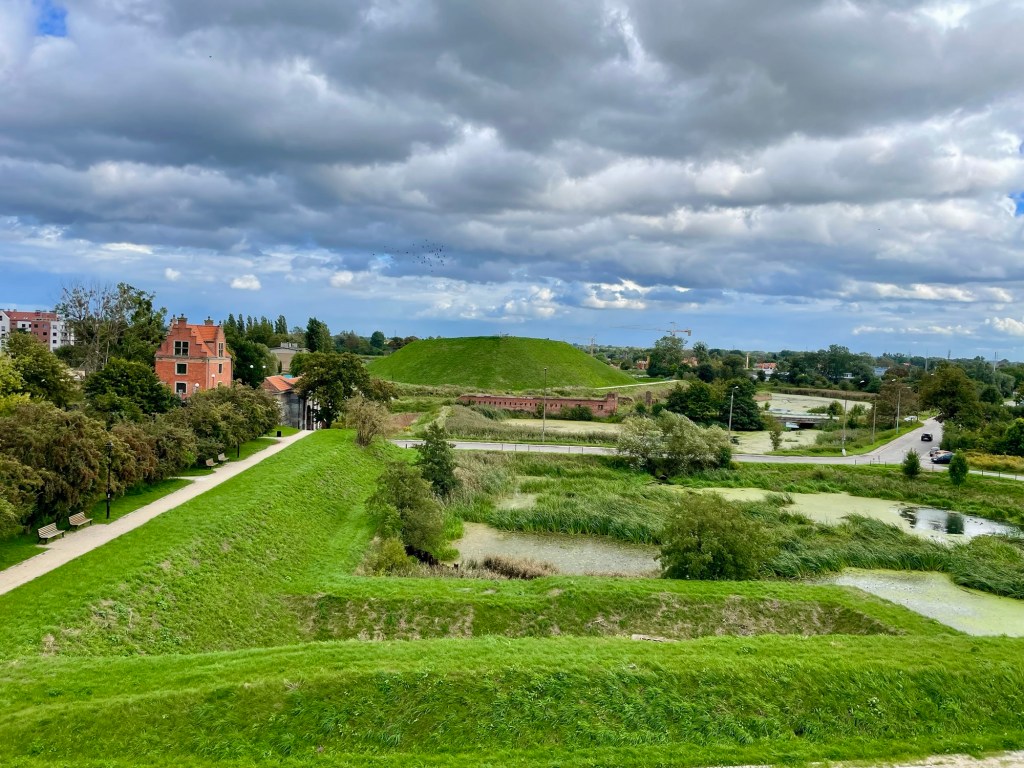
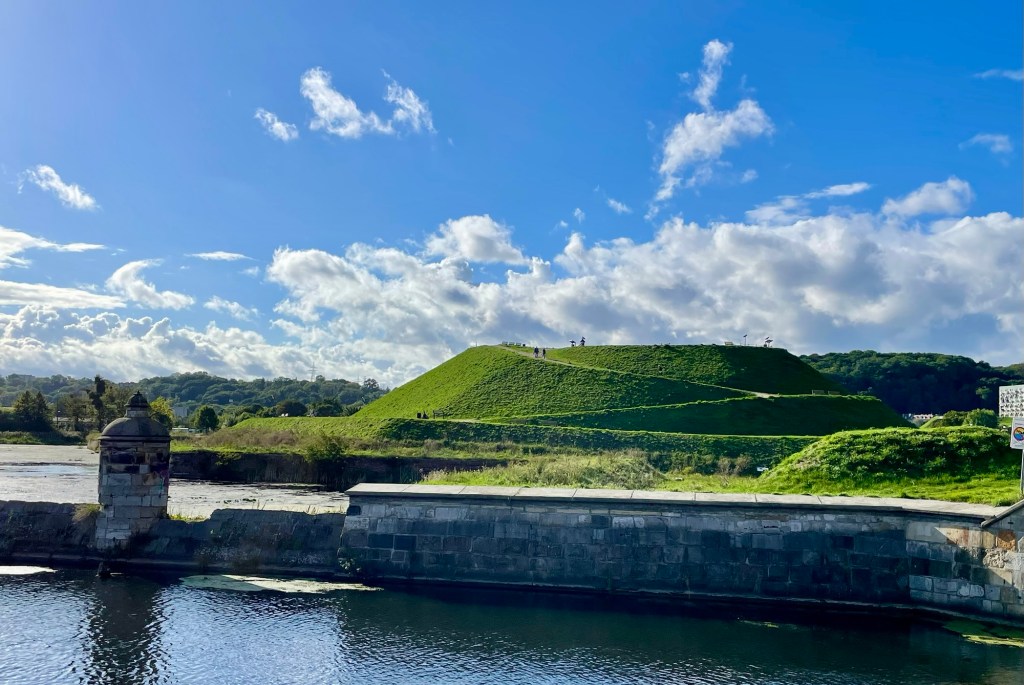
Then we went south to see the extensive canals and military fortifications from the 1600s
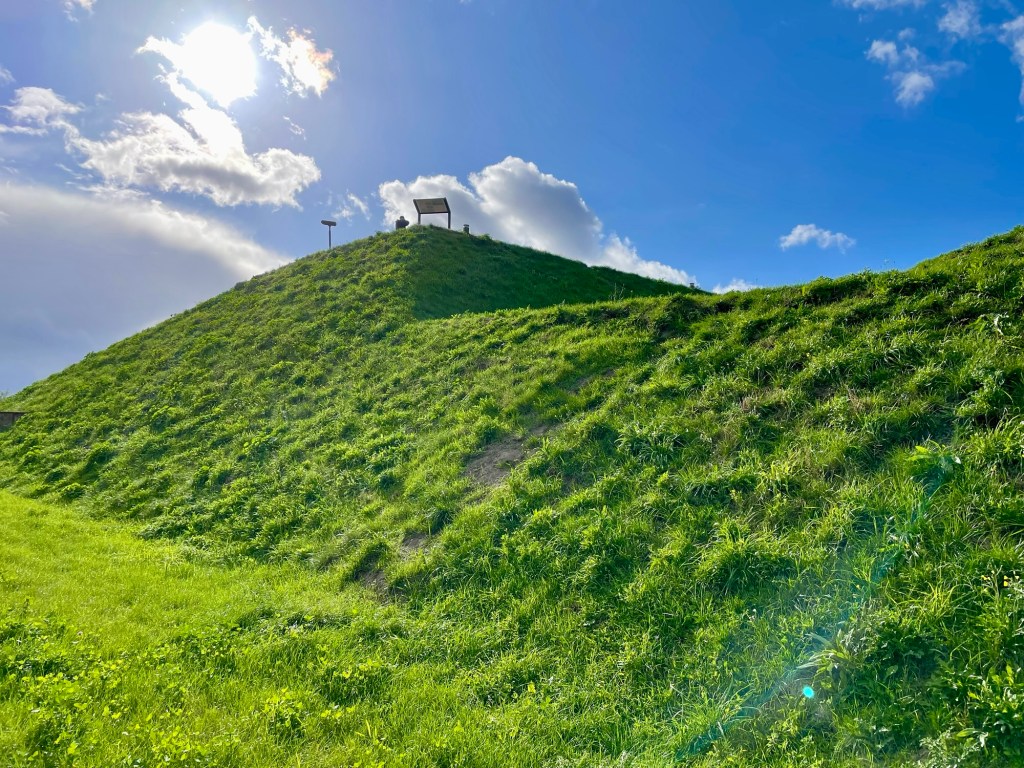
I left Gdansk thinking of it as a kind of experimental utopian city, rebuilt to an idealized version of itself; one where the Prussian and German conquests never happened. That they reset the calendar and rebecame Poland all while under Soviet occupation makes it even more curious and puzzling.
Cities are great palimpsests. You can scape them down and write over them, but the previous story somehow always leaks through.
Onward!
Maer

 The Let's Get Lost Game