Takayama, in the Japanese Alps, is considered one of the little Kyotos of Japan. There’s 38 all told. Why not collect them all? The Japanese government, not to mention the Japanese people, would like to see the tourist masses a bit more spread out than they are. So spread the word! Takayama is worth the detour.
Takayama is best known for its spring and fall festivals which date from the mid 1600s, featuring 11 floats which parade through the streets at nightfall. Richly decorated and lit up with lanterns, they proceed very, very slowly by human power. It’s considered one of the most beautiful festivals in Japan. But if you’re unwilling to brave the crush of the festival or can’t get a hotel room during that time, the floats are displayed in a very tall ceilinged museum year round. Or rather 4 at a time are displayed, on a rotating schedule. You’ll have to come back every 4 months if you want to see them all.
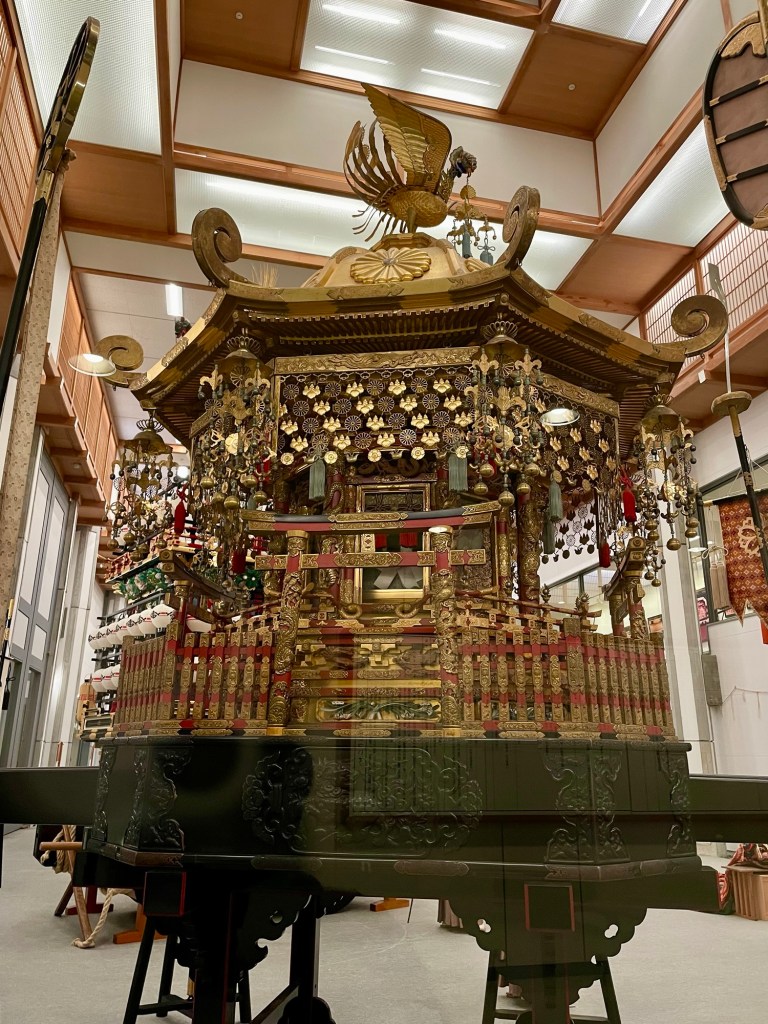
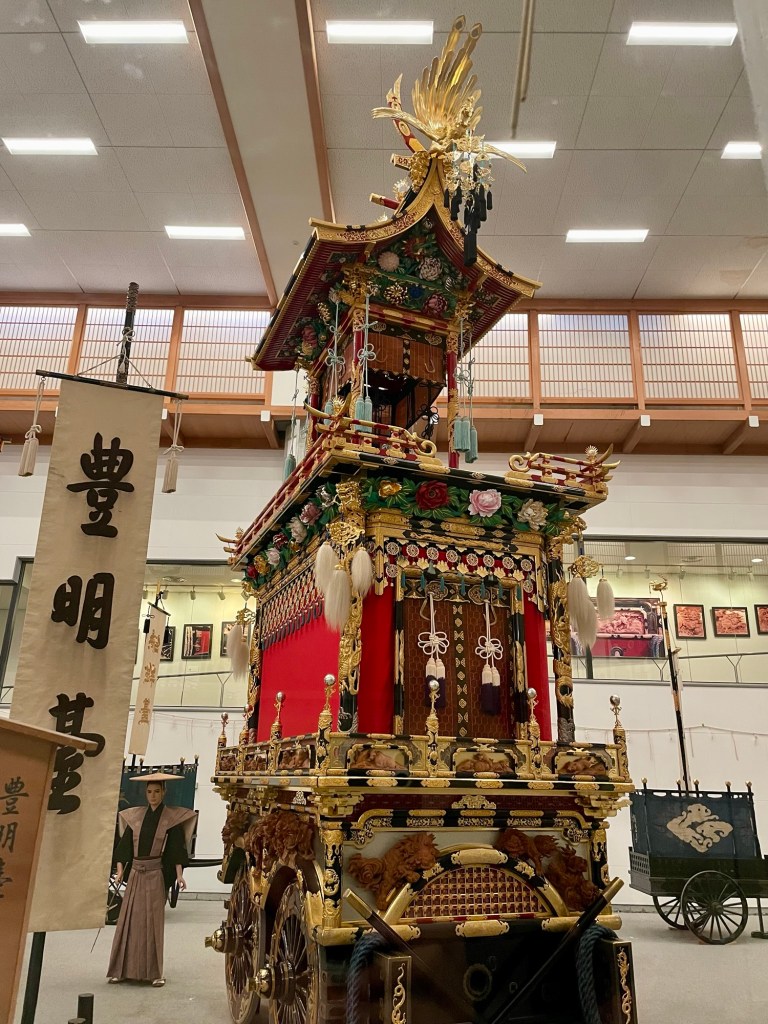
There would be riders on top of the floats playing music. Some of the floats have marionette puppets of gods blessing the crowds, or of the local nobility looking down on the masses.
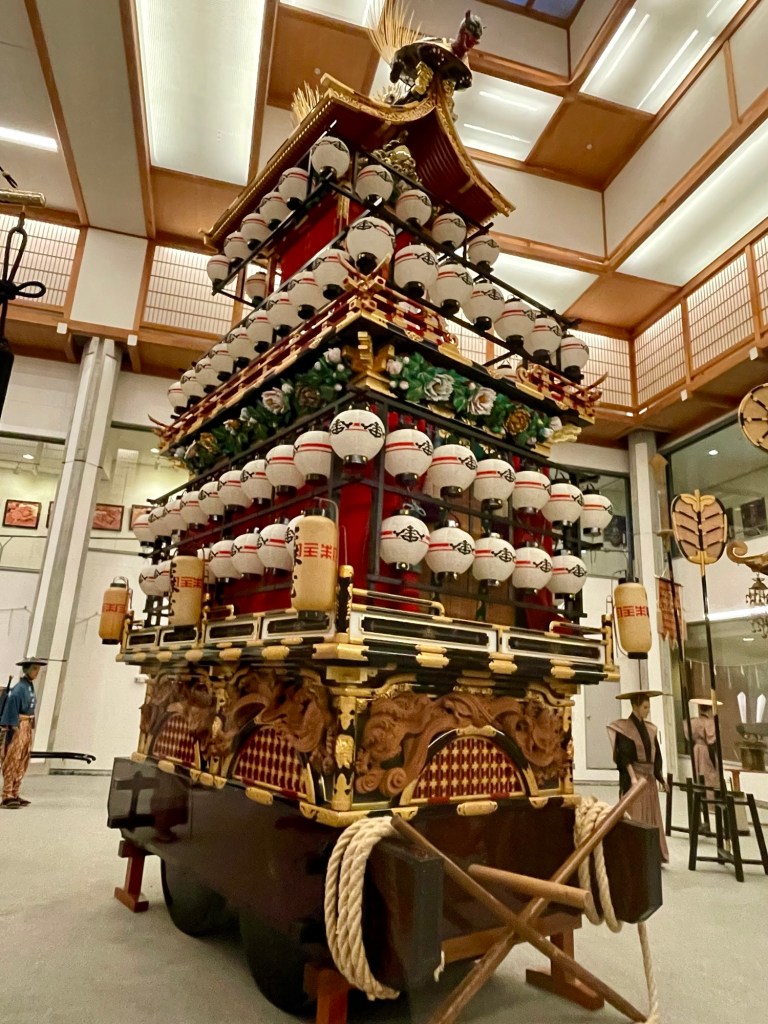
Near as I can tell, there’s no religious motivation behind the festival, no mountain deities who needed to change from summer to winter quarters or some such thing. The floats were a way for the local rich guys to out-fancy each other. They’ve very intricately carved and very decked out.
Takayama was famed for its wood craftsmanship and it was a big regional supplier of timber. (Side note: temples were always built with wood from a single mountain. How cool is that?) But it didn’t have much in the way of rice cultivation and that meant they couldn’t pay their taxes to the capital because rice was the currency for taxes. However, Takayama did have famously skilled woodworkers so high ho, high ho, off to pay the tax they’d go. Much of Kyoto and Nara was built by Takayama craftsmen.
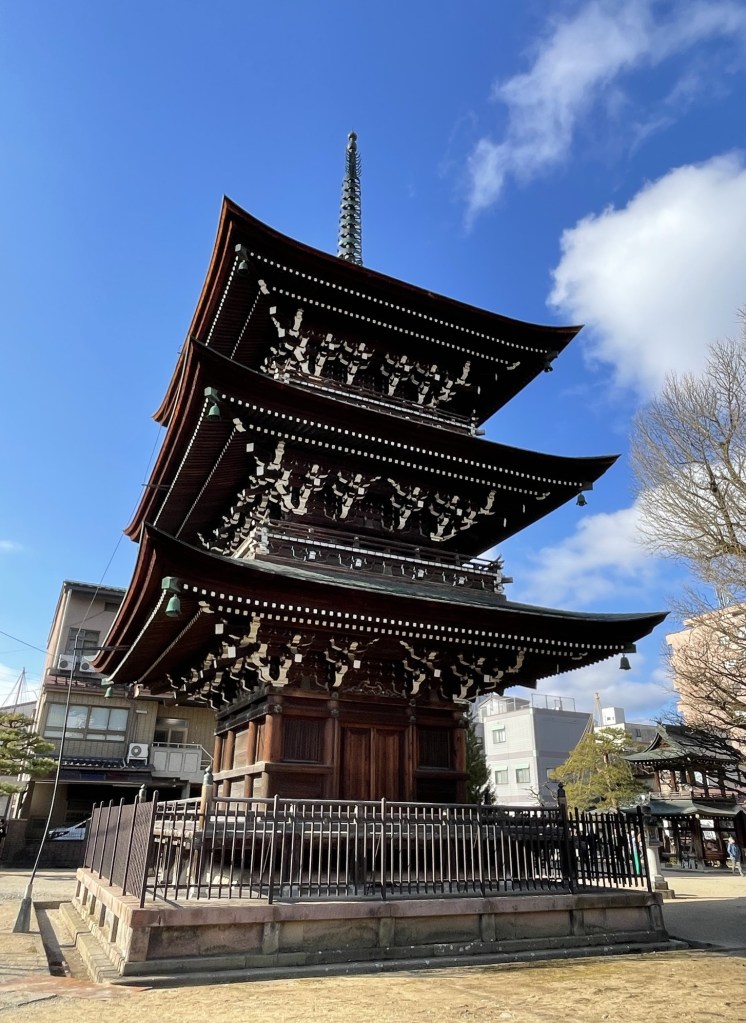
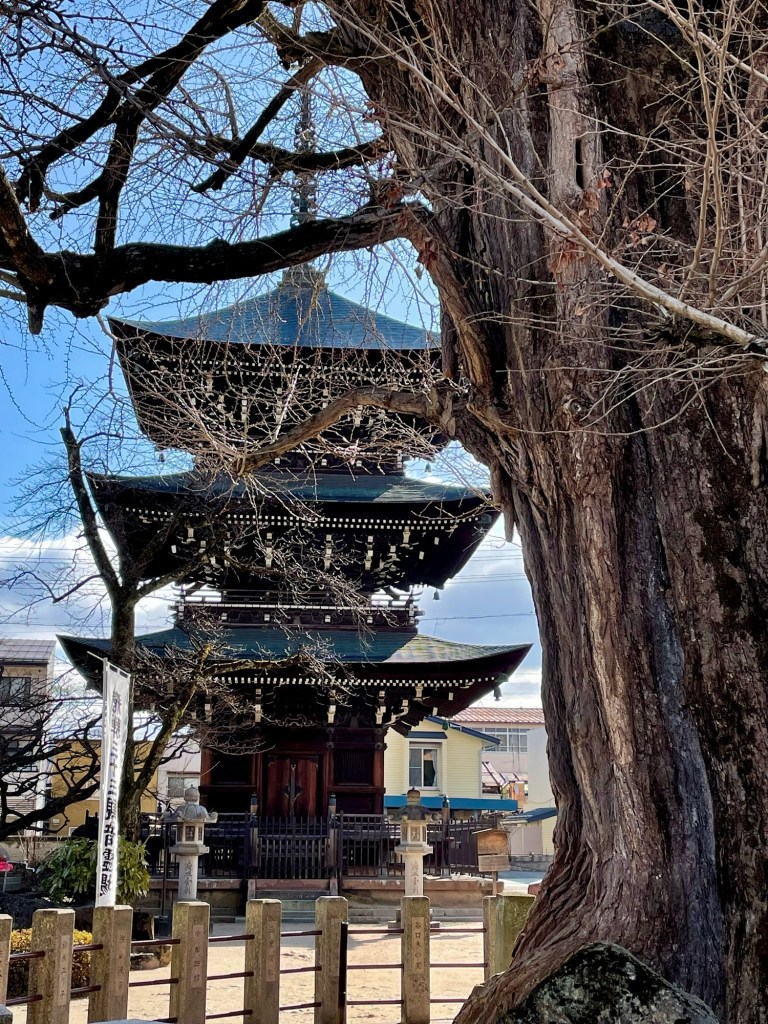
All those wooden structures meant fires were always a hazard. This temple’s foundation might date to the mid 700s, but its current incarnation is from 1821, when it was rebuilt. Destruction and rebuilding is certainly one way to keep the craft alive.
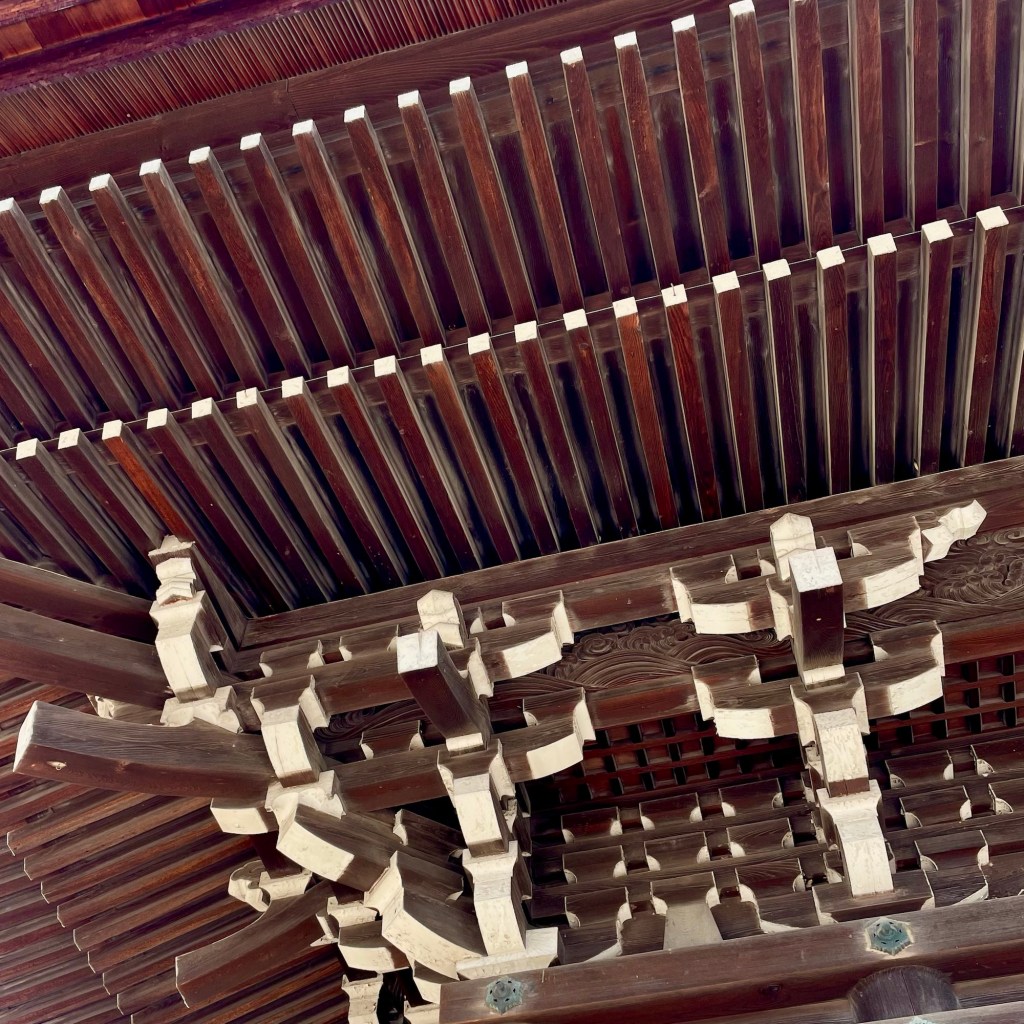
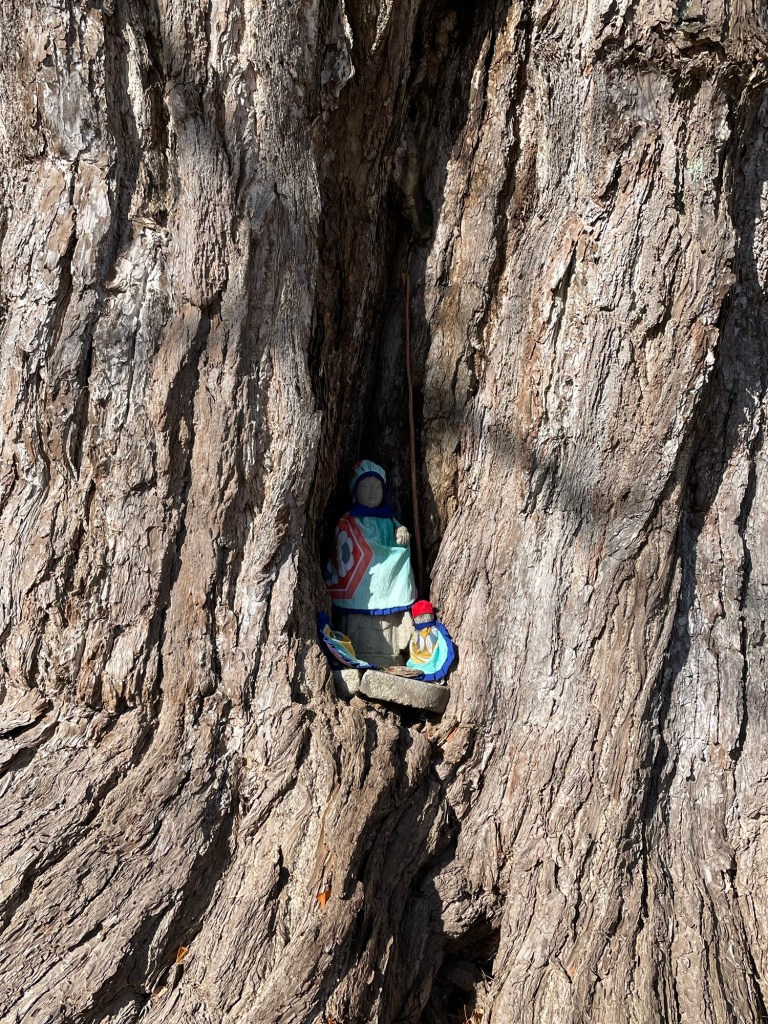
While the temple might date from only a couple of hundred years, this gingko on the grounds is supposed to be around 1200 years old.
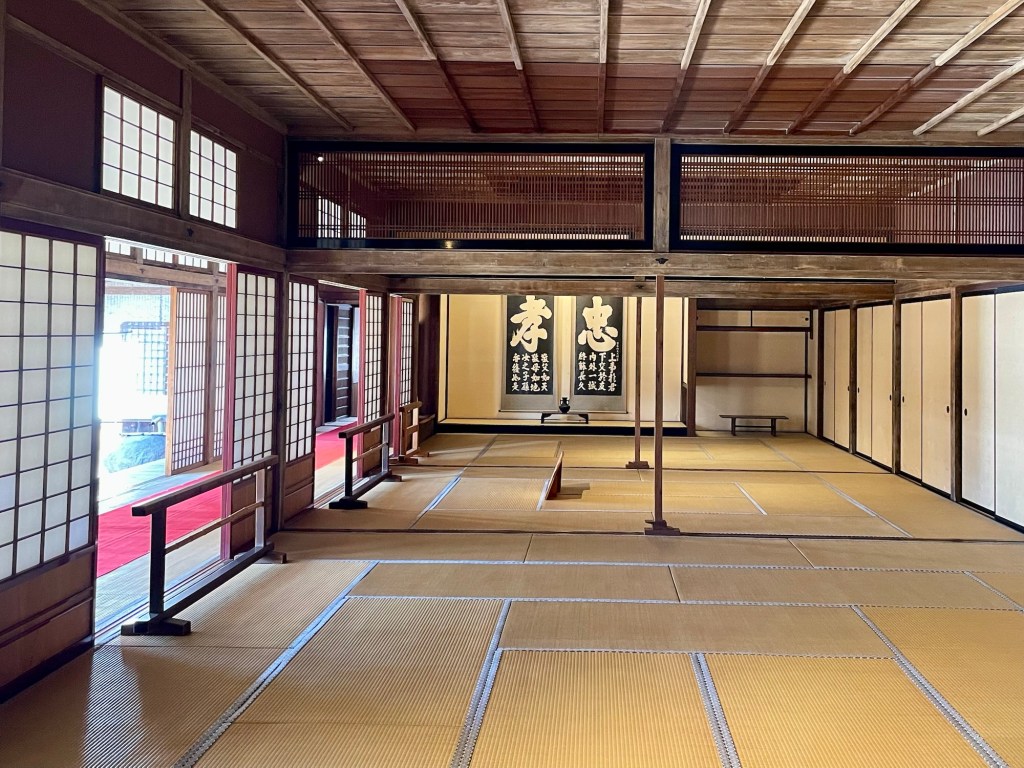
You can duck into a number of the old structures and marvel. Takayama jinya is a vast former government building. I have precious few pictures as it was a very cold day and shoes are forbidden. I was hightailing it through the endless hallways and hardly pausing, but it was still worth it.
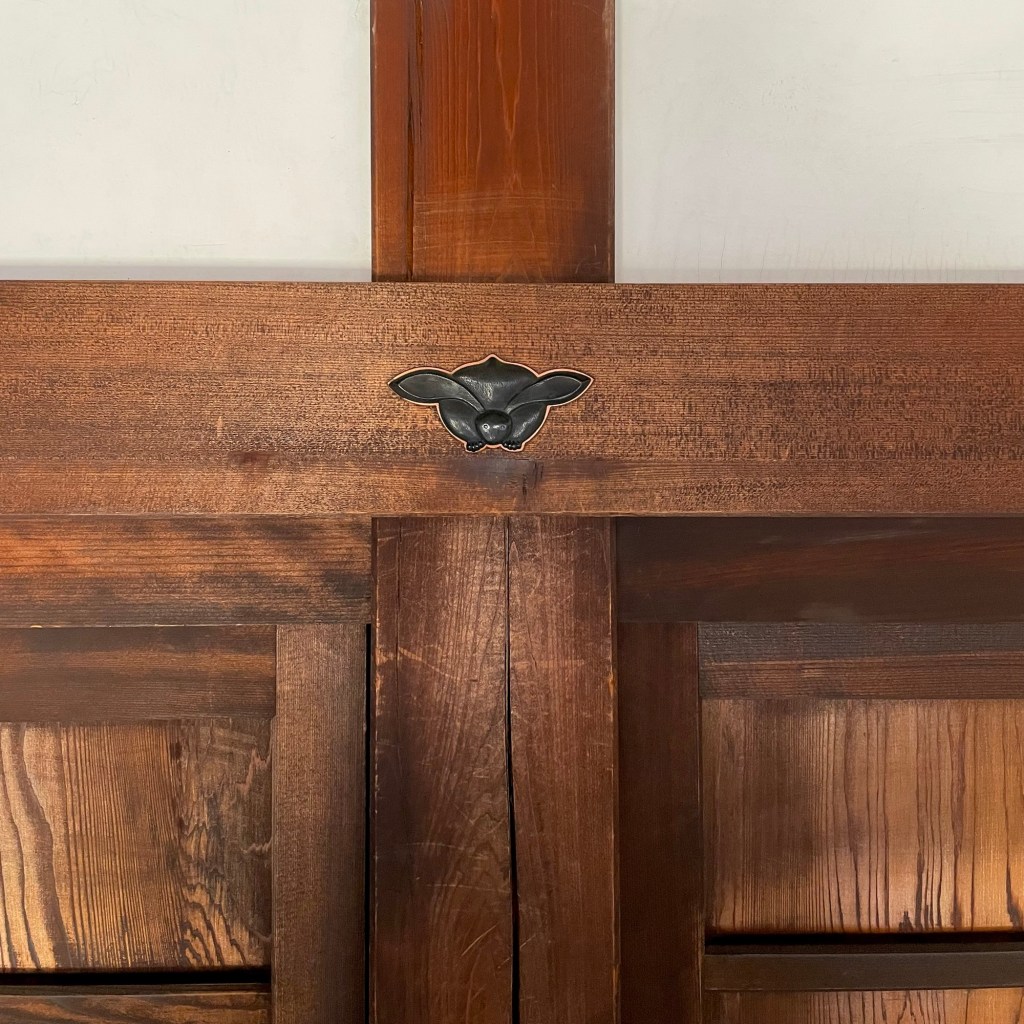
Cold feet or not, I was charmed by the nailhead-hiding bunnies.
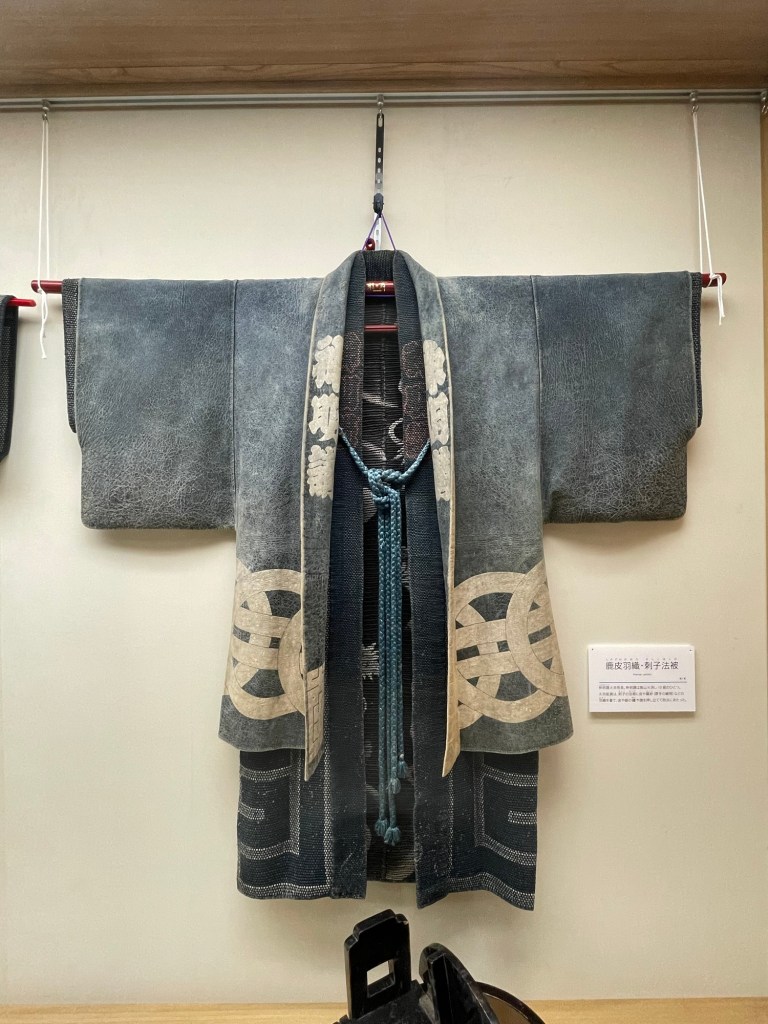
And by this fireman’s coat, made of deerskin. The idea that something that could easily be ruined should be made so beautifully is a wonder.
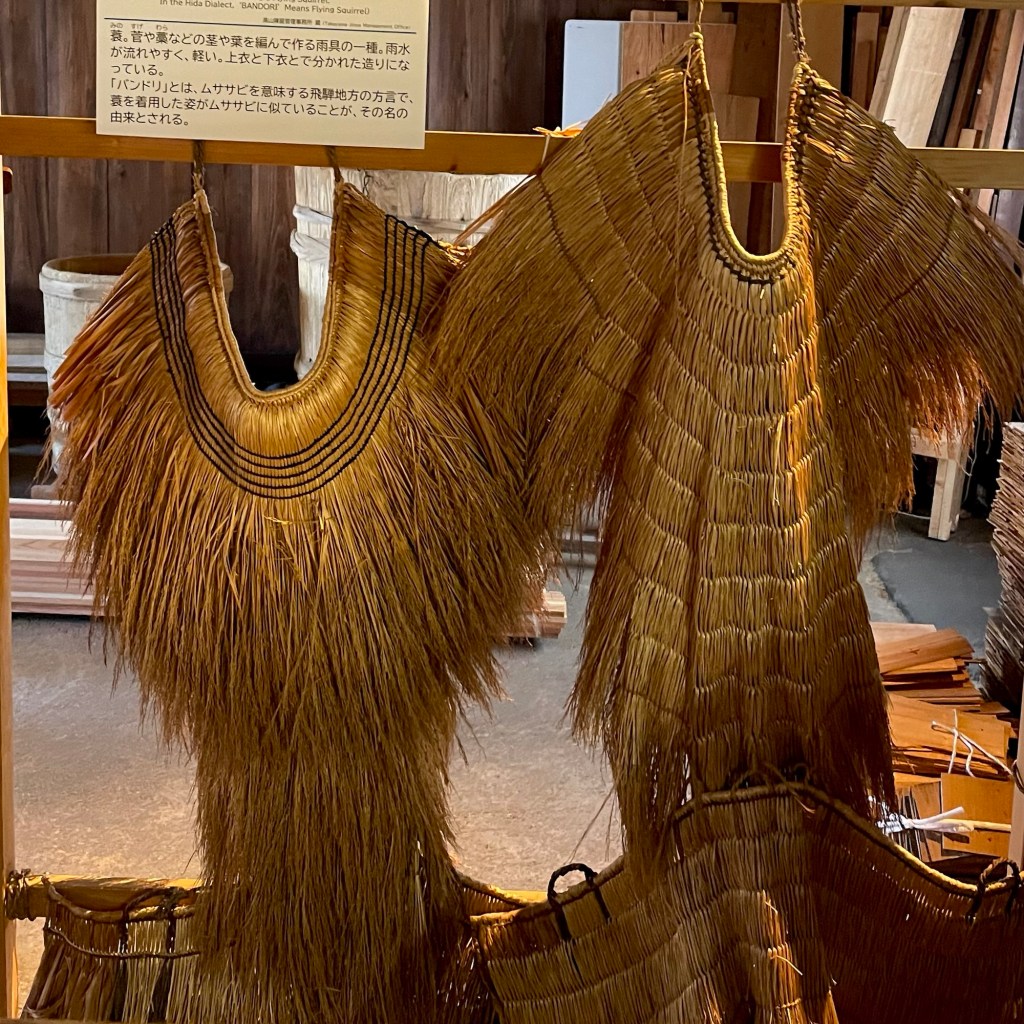
Raincoats made of reeds
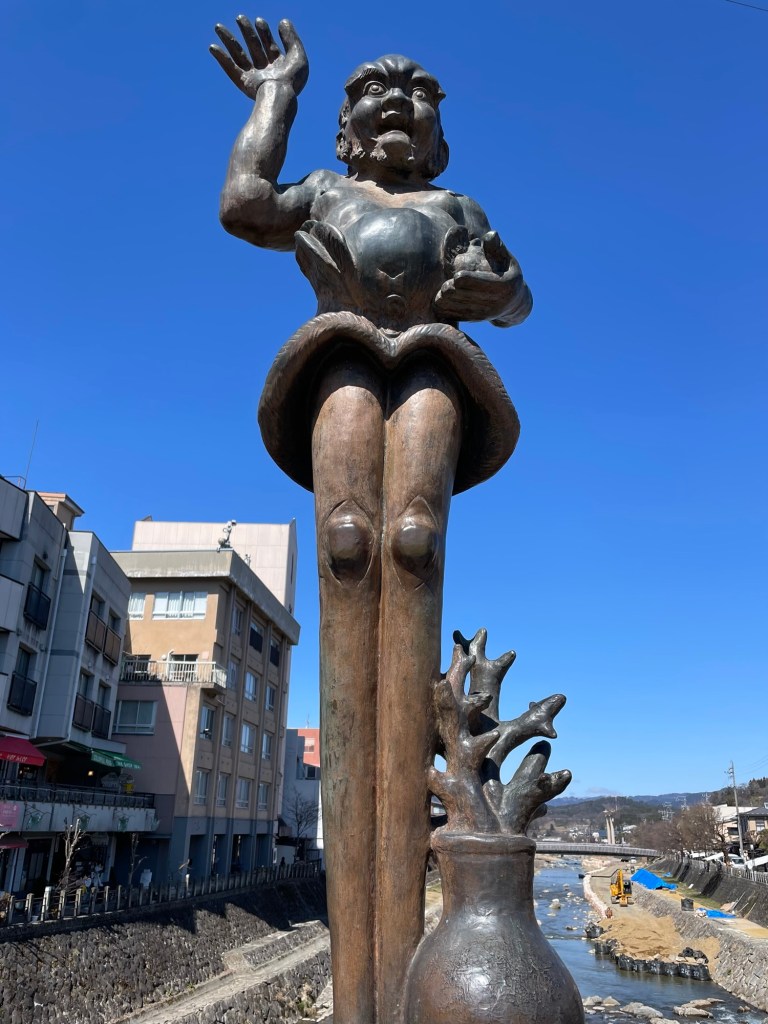
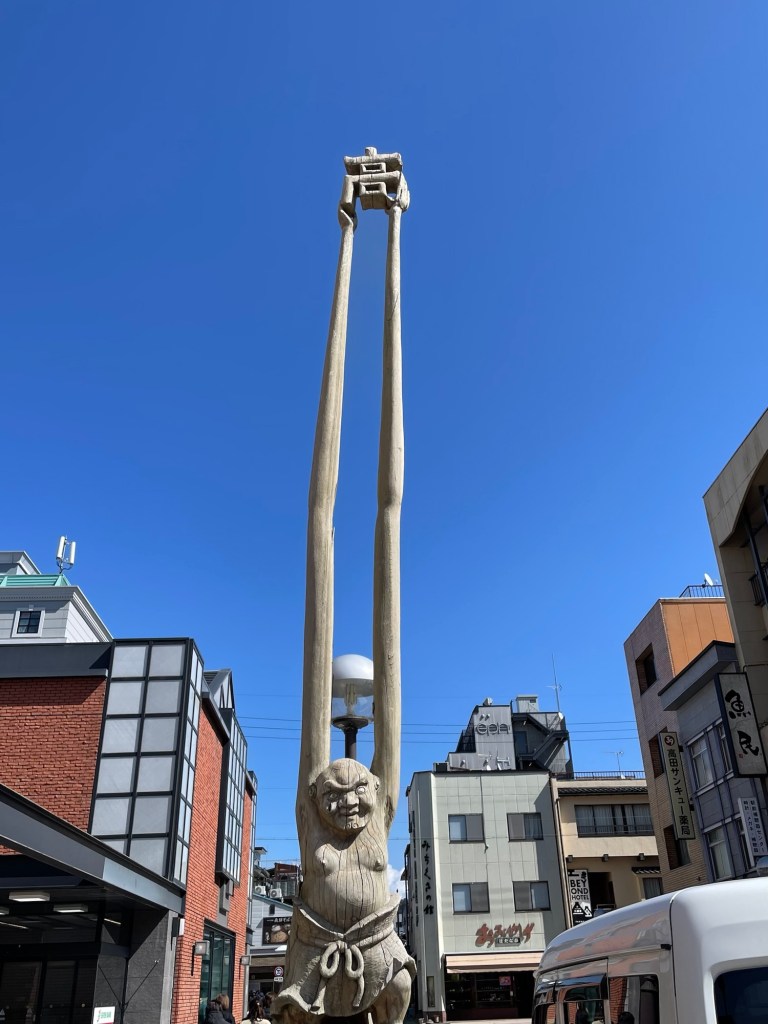
There are these oddball yew sculptures dotted around town, a modern take on a traditional form. They’re left unvarnished to show the natural beauty and color of the wood.
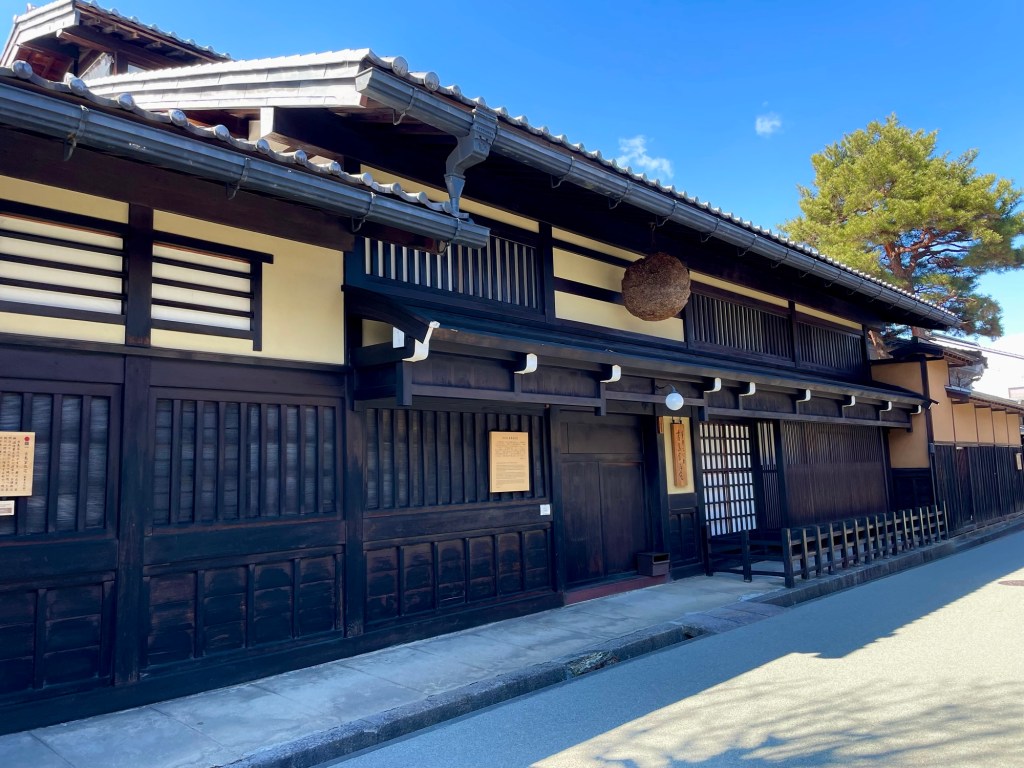
A prosperous saké merchant’s house from the Meiji restoration. The hanging ball is made of fresh cedar leaves and is hung when a new saké is ready. As it dries, the color advertises the age of the saké to potential customers.
Marveling at the persistence of cultural traditions and craftsmanship in Japan is why we’re here. The idea that the rituals and festivals still matter, that doing things as they should be and have been always been done matters. But maybe that’s a just the false perspective of a tourist who’s only seeing certain chosen views. Japan is still a culture that values tradition, for both good and bad, but the population is quickly aging and the changing world is ever changing.
Cheers,
Maer

 The Let's Get Lost Game